
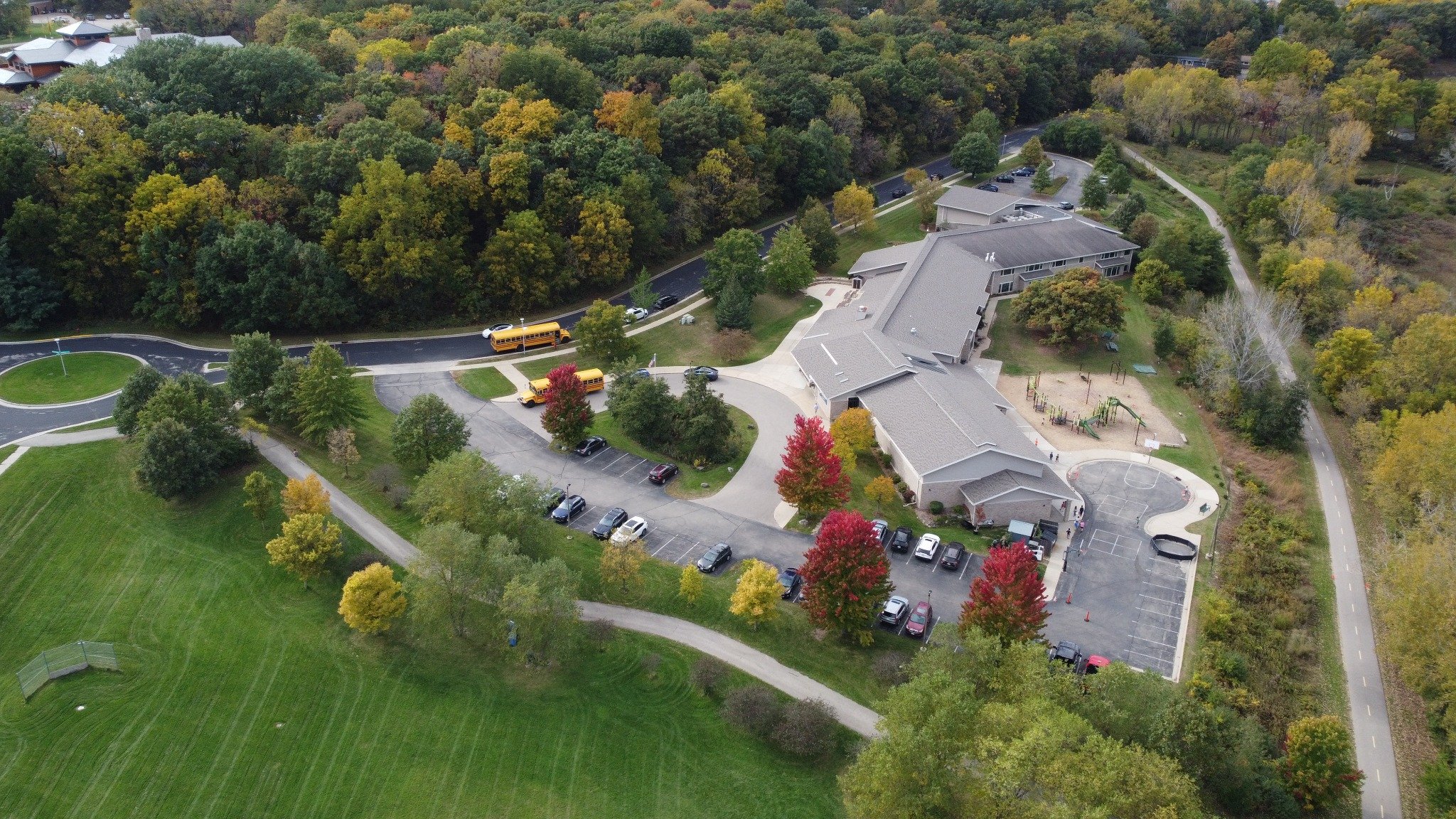
The EAGLE Curriculum
The EAGLE School curriculum stresses the process of learning, the interrelatedness of knowledge, and the importance of a questioning attitude. The subject content, texts, and materials are selected because of their appeal and suitability for young gifted learners. The curriculum was originally developed with the aid of department specialists from the State Department of Public Instruction. Guided by state and national standards, as well as research-based best practice, all areas of curriculum are regularly reviewed by our experienced and knowledgeable teachers, all specialists in their respective areas. In 2023, EAGLE completed a comprehensive accreditation review with the Independent Schools Association of the Central States (ISACS) as part of its ongoing seven-year accreditation cycle, which includes an in-depth evaluation of the school’s curriculum and educational practice Across the curriculum, our goal is to give students the skills and experiences to become independent, enthusiastic life-long learners.
Intellectual Curiosity
Gifted students often have an innate curiosity and a strong desire to understand how and why things work. EAGLE nurtures this drive to explore ideas, ask questions, and make sense of complex concepts. Rather than stopping at memorization or identification, students are encouraged to dig deeper, recognize patterns, and apply logic and reasoning to solve problems. Through appropriately challenging academic experiences and guidance from knowledgeable educators, students develop the critical thinking skills to pursue questions with increasing depth and independence. EAGLE emphasizes purposeful planning, high academic standards, and a learning environment that supports intellectual growth to foster the curiosity of the students.
Cultivating Potential through Meaningful Connections
EAGLE curriculum challenges students to make meaningful connections. There is an emphasis on looking at ideas through multiple lenses and exploring the interdisciplinary connections. Through appropriate challenging experiences, Students are encouraged to look beyond basic understanding to focus on analyzing, evaluating, and creating, which helps them understand how diverse cultural perspectives shape our understanding of the world. Learning alongside intellectual peers challenges their thinking, shares their curiosity, and provides opportunities to explore ideas with others who think deeply and learn in similar ways. EAGLE School curriculum is grounded in research-based best practices for gifted learners and emphasizes the interconnectedness of knowledge.
Our Departments
Nest
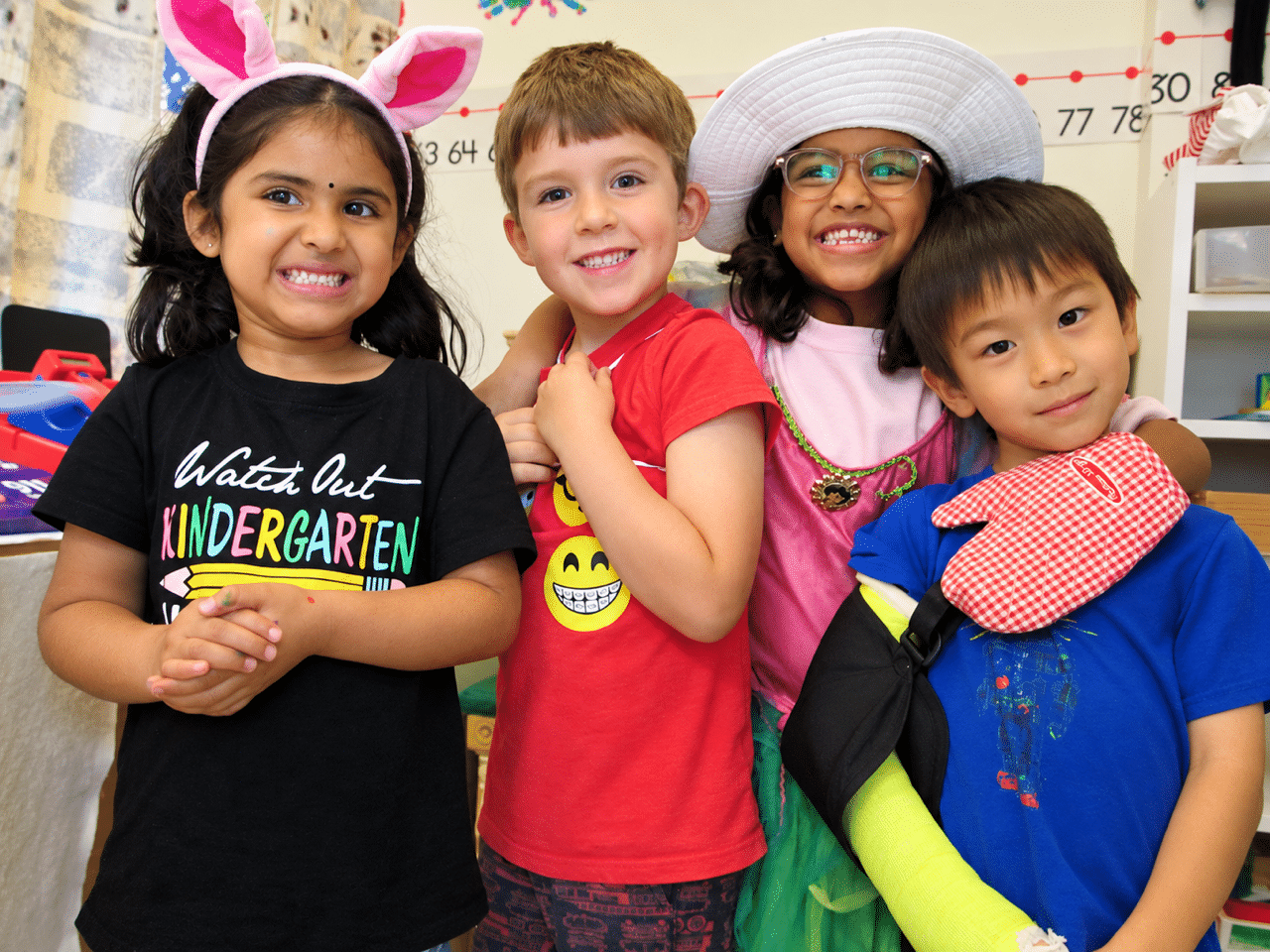
In the EAGLE School Nest (Kindergarten), our youngest students have the opportunity to grow socially, emotionally, physically, and intellectually through developmentally appropriate practices. Students are encouraged to look closely at their surroundings. They hypothesize, analyze, and talk about their observations and conclusions. They engage in group and independent learning activities in a setting where cooperation, fairness, self-confidence, and a sense of community are fostered. Students become actively involved in the learning process as they utilize carefully designed classroom areas that correlate to the general theme or unit being taught.
LA/SS/D
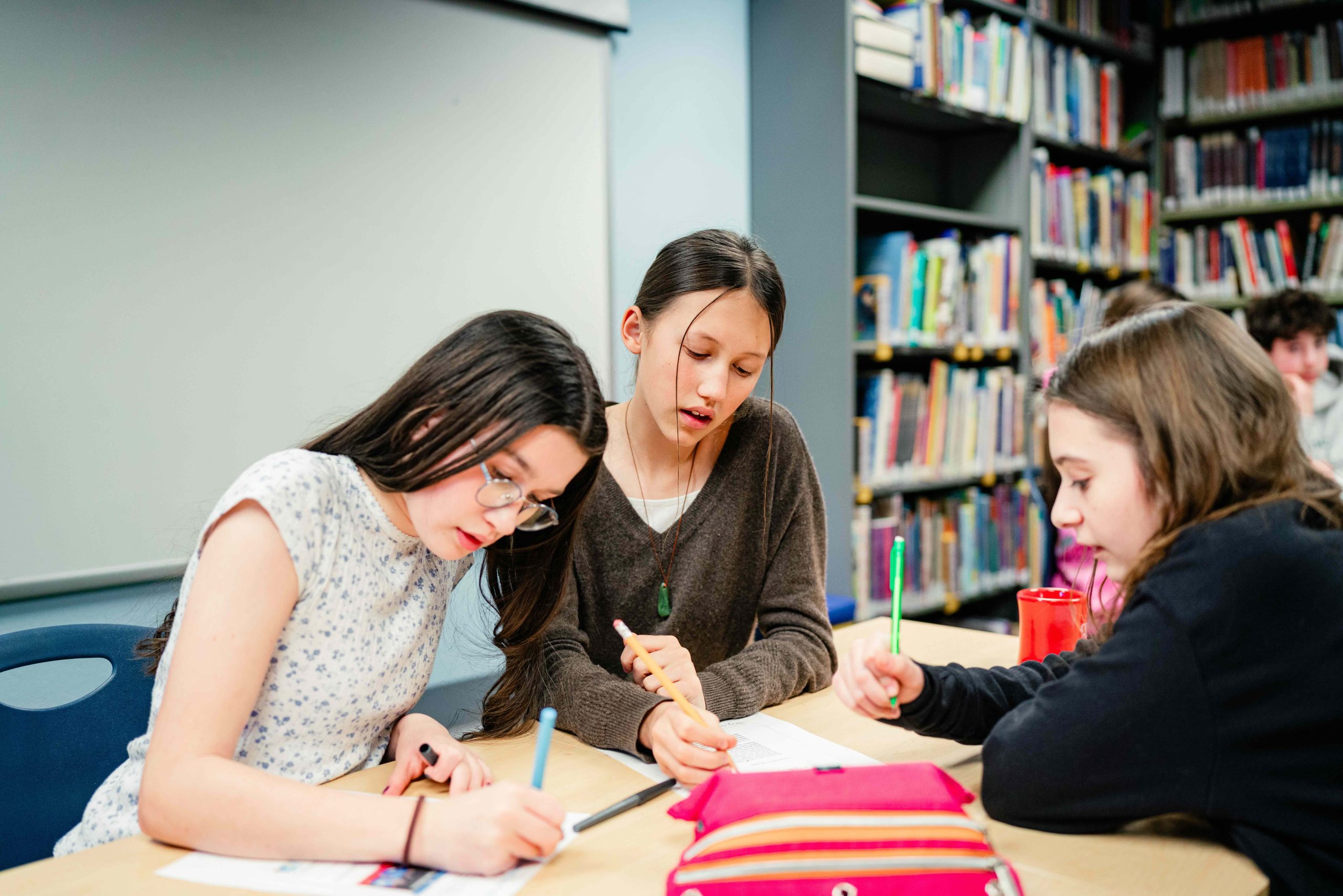
Our advanced Language Arts (LA) curriculum is integrated with Social Studies (SS) and Drama (D), creating intentional opportunities to make interdisciplinary connections. The Language Arts curriculum emphasizes four major areas of study: reading, writing, speaking & listening, and language. Social Studies at EAGLE invites students to ask how people, places, and ideas have shaped our world, and to look for answers through the lenses of history, geography, anthropology, culture, and government. Along the way, students learn to consider a variety of perspectives to better understand the diverse world they live in. This includes exploring the past and present, reading literary and informational texts, and leveraging individual and collaborative projects to conduct research and expository writing. The study of Drama allows students to hone their communication and presentational skills while bringing characters, concepts, and creativity to life.
Math
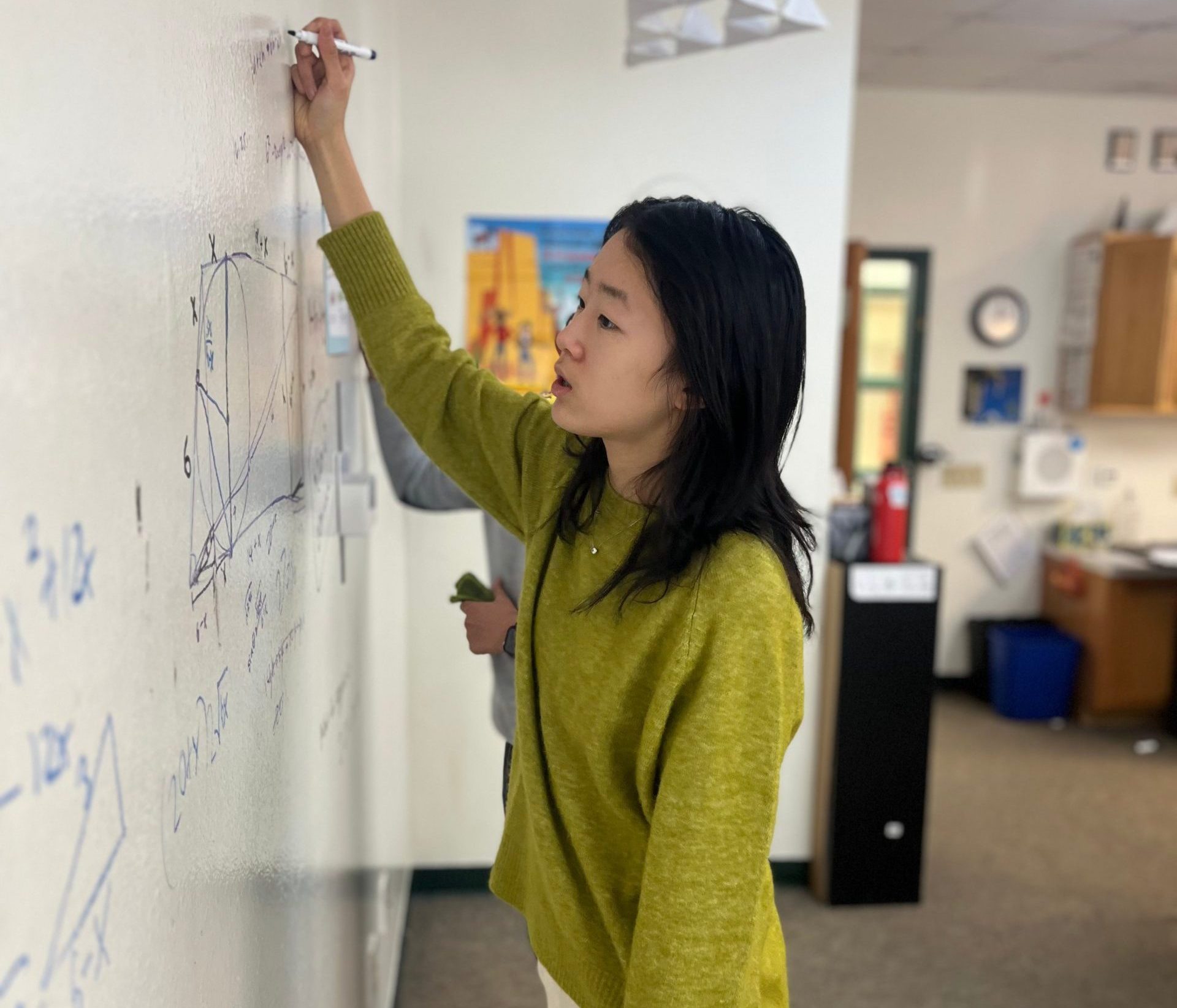
The EAGLE math curriculum focuses on both the procedural and the conceptual understanding of mathematics, seeking to develop students who are curious thinkers and are able to apply a range of strategies to solve novel problems. In the younger grades, discovery learning is used to develop conceptual understanding, as lessons are taught in a spiral approach. Upper level math classes emphasize conceptual understanding, problem solving, and real-world application strategies to help build a deep and lasting foundation in math.
Science
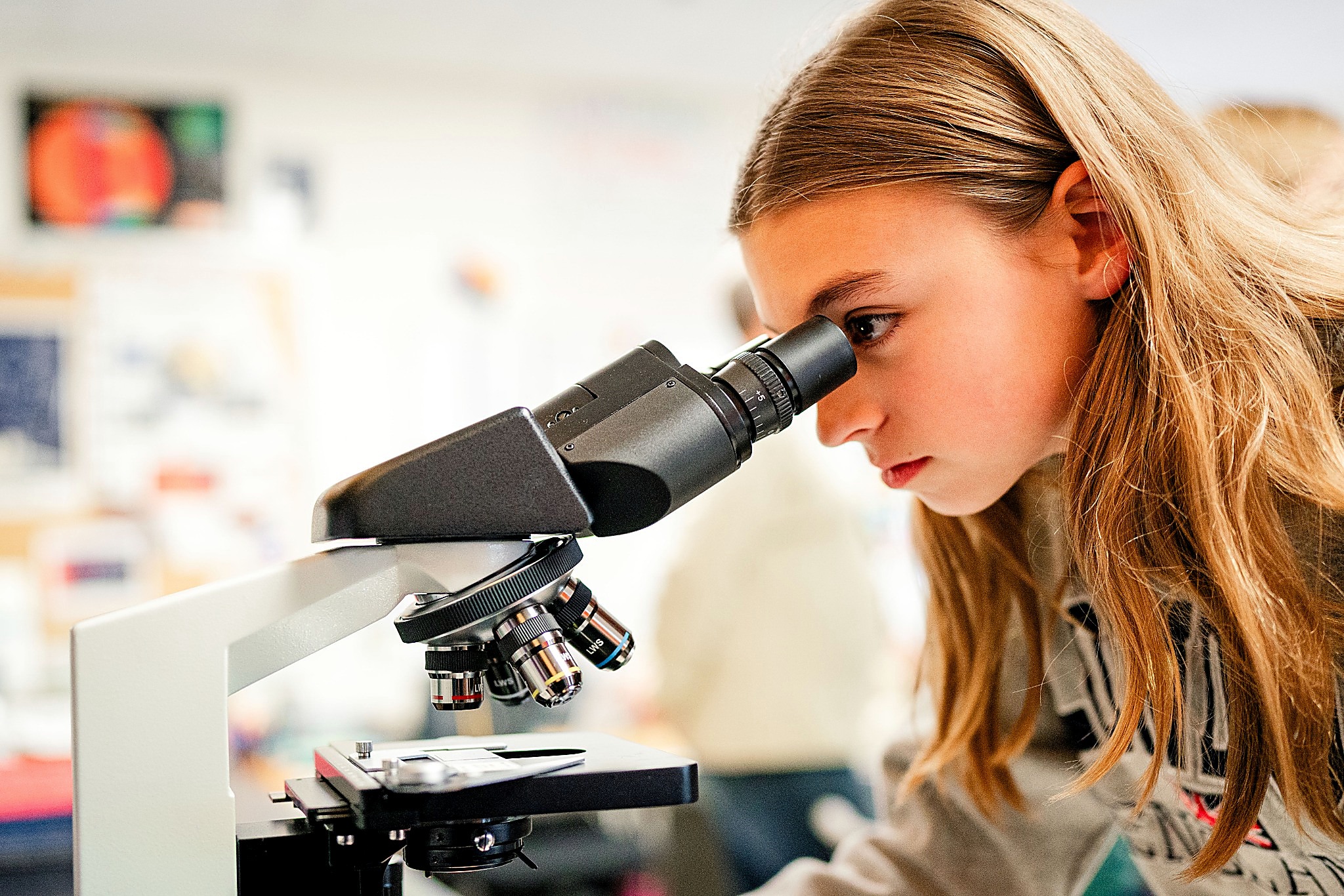
Throughout their years at EAGLE, students investigate life, physical, earth, biological, and environmental sciences through examining the connections between science & technology, and science & everyday life. Beginning in first grade, students learn science from dedicated science teachers who bring concepts to life through hands-on labs, investigations, and outdoor experiments whenever possible. The EAGLE Science curriculum gives students the ability to think critically and creatively about our world like a scientist while preparing them to be responsible community members that are ready to take on the challenges of our changing planet.
World Language
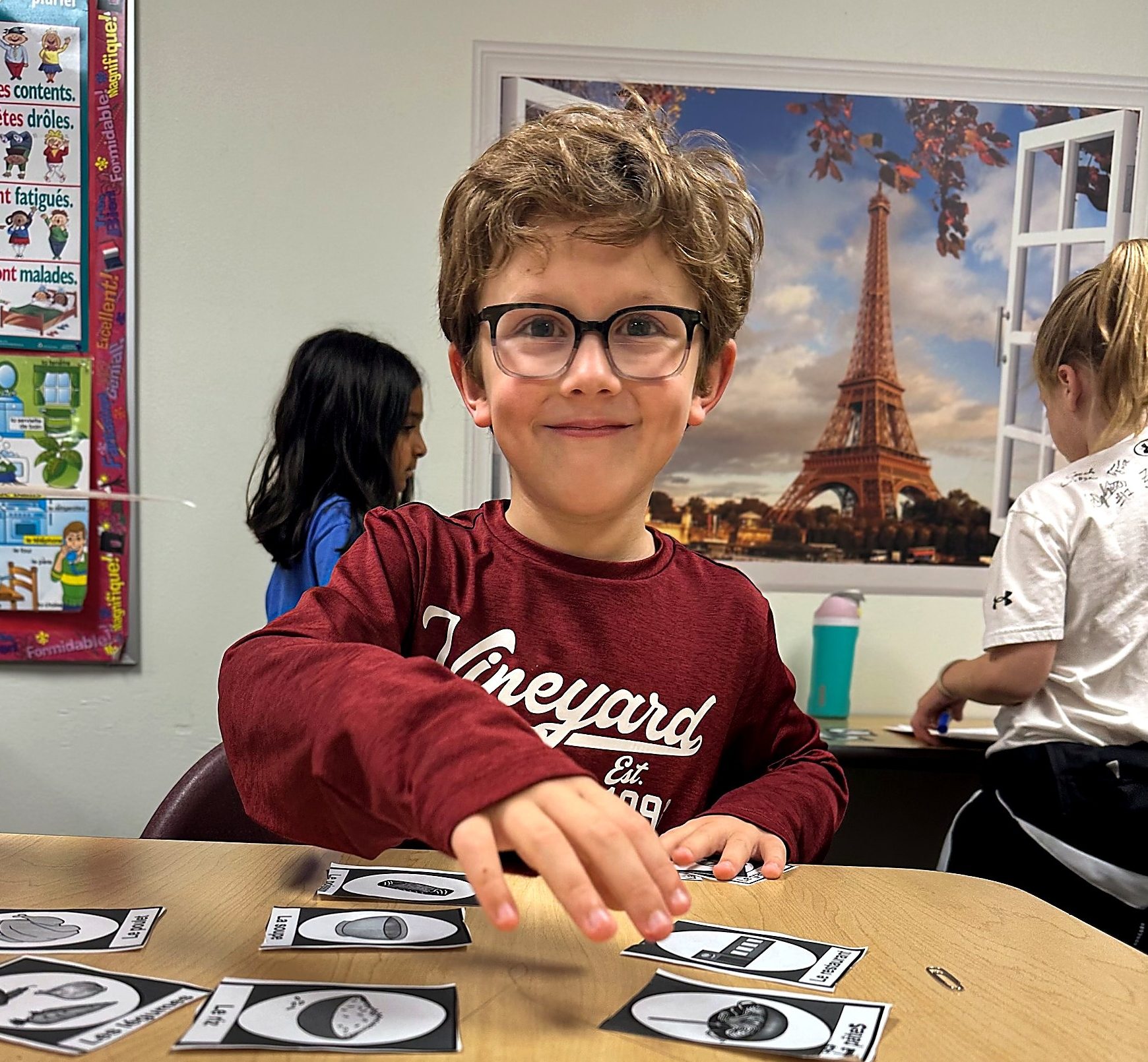
Gifted students are often highly verbal, inquisitive, and creative. The EAGLE School World Language program provides students with opportunities to explore foreign language and to use it both practical and creative settings. Students are exposed to diverse cultural aspects of the world while learning that language is a system, and that it allows them to connect with others. All students are introduced to both French and Spanish in the Nest. In 1st grade, they choose either French or Spanish and continue studying that language through 8th grade. Students build proficiency by listening to, reading, and acting out engaging stories, as well as by creating their own oral and written narratives.
Music
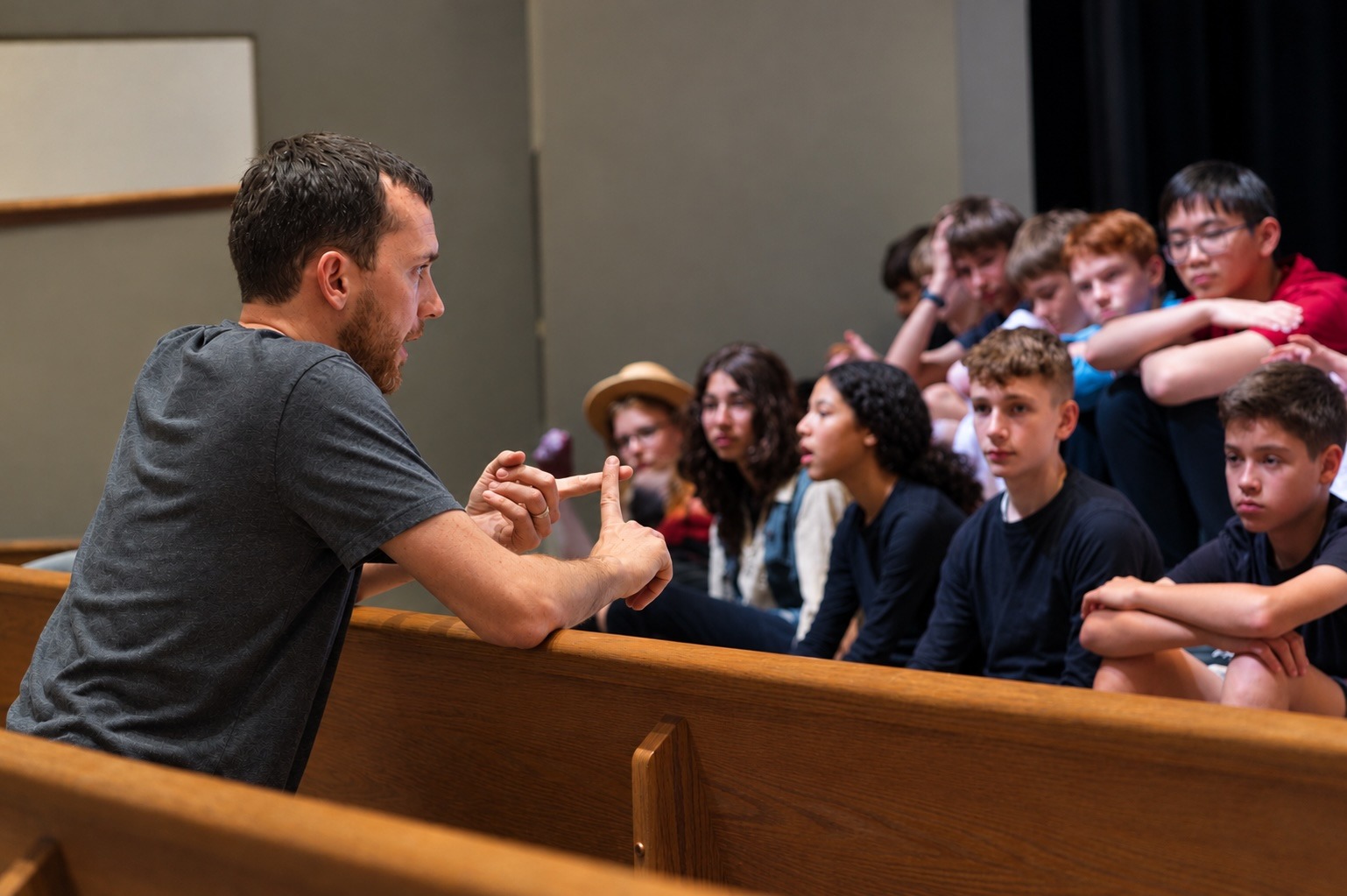
EAGLE’s music program focuses on developing students’ musical skills in a supportive, community-focused environment. Through twice-weekly instruction, students develop their skills in reading, performing, responding to, and creating music. Beginning in the Nest, there is an emphasis on music and movement, as well as music literacy. Students are encouraged to make music using classroom instruments in most classes. Performance is an integral part of the program, with opportunities to share their learning throughout the years and culminating in full middle school productions. Students put on full-scale musicals complete with costumes and props that they create in conjunction with art class. In 6th grade, they collaborate with LA/SS/D to write their own musical.
Art
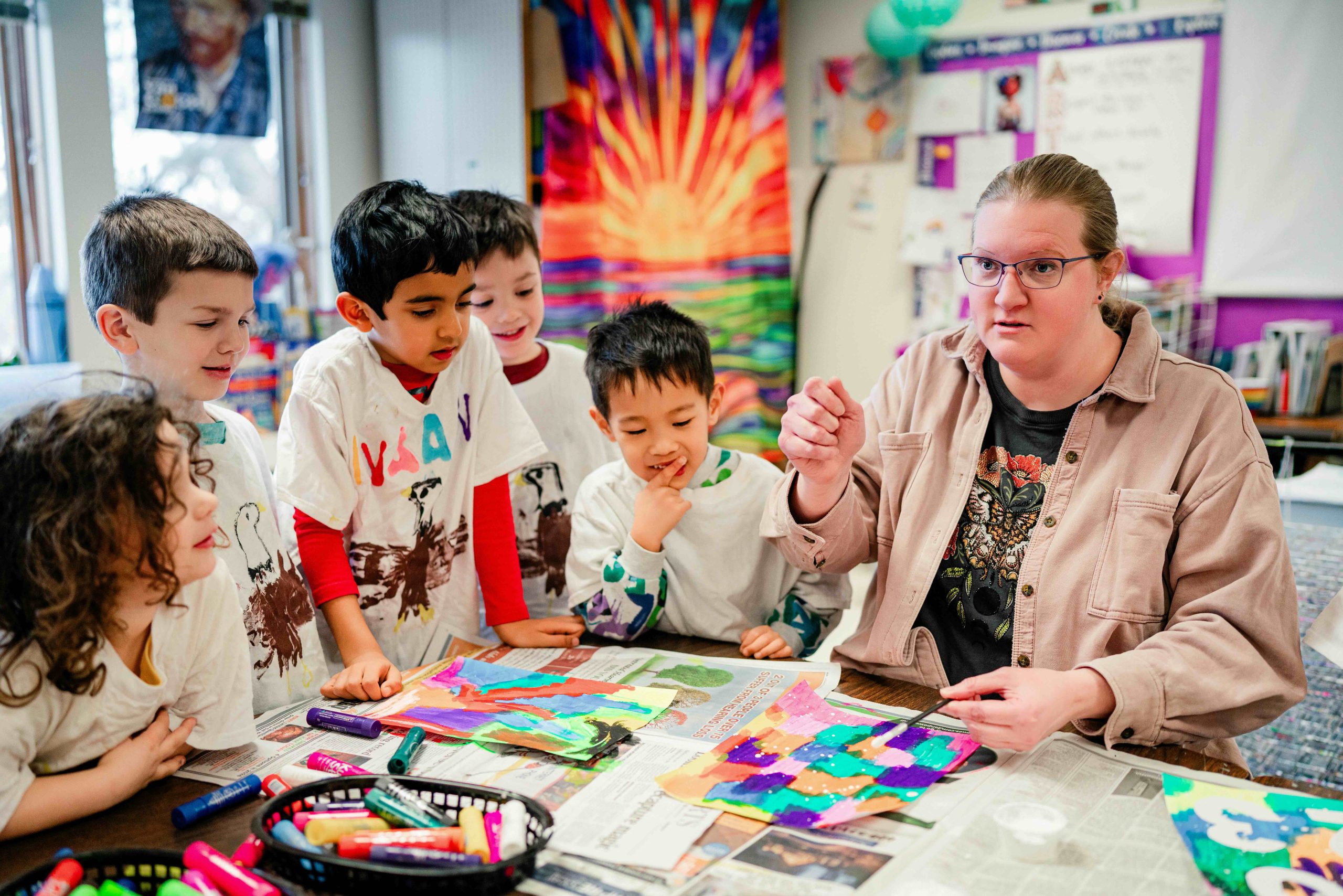
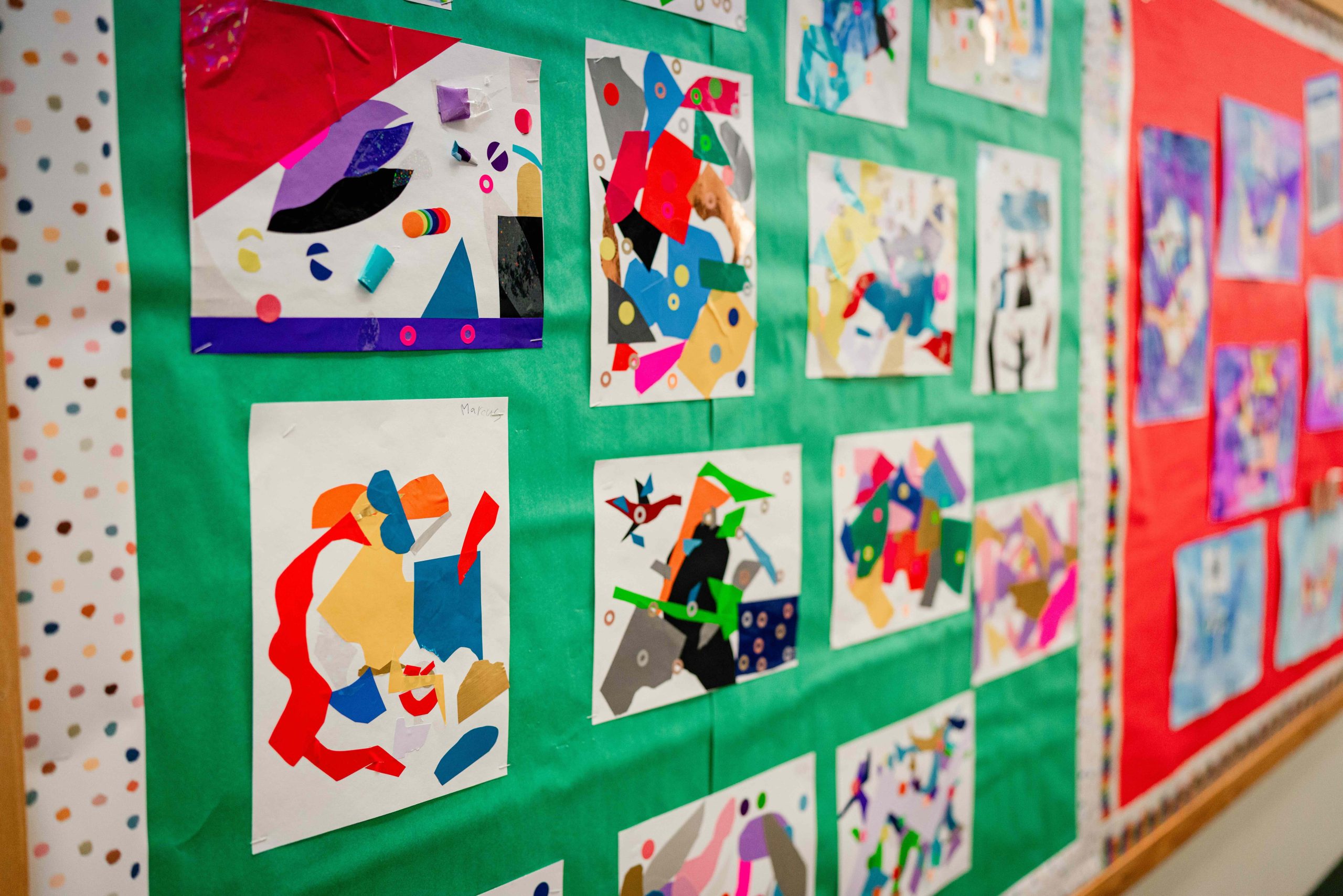
Art specialists work with students twice weekly for 40 minutes to create unique works of art, explore art theory and history, and promote a life-long appreciation of the arts. Students study various artists, cultures, mediums, and techniques as they create art that displays personal expression and imagination. Projects may be interdisciplinary to extend studies taking place in other curricular areas. Student works of art are regularly displayed in school and shared online to build community and pride.
Physical Education
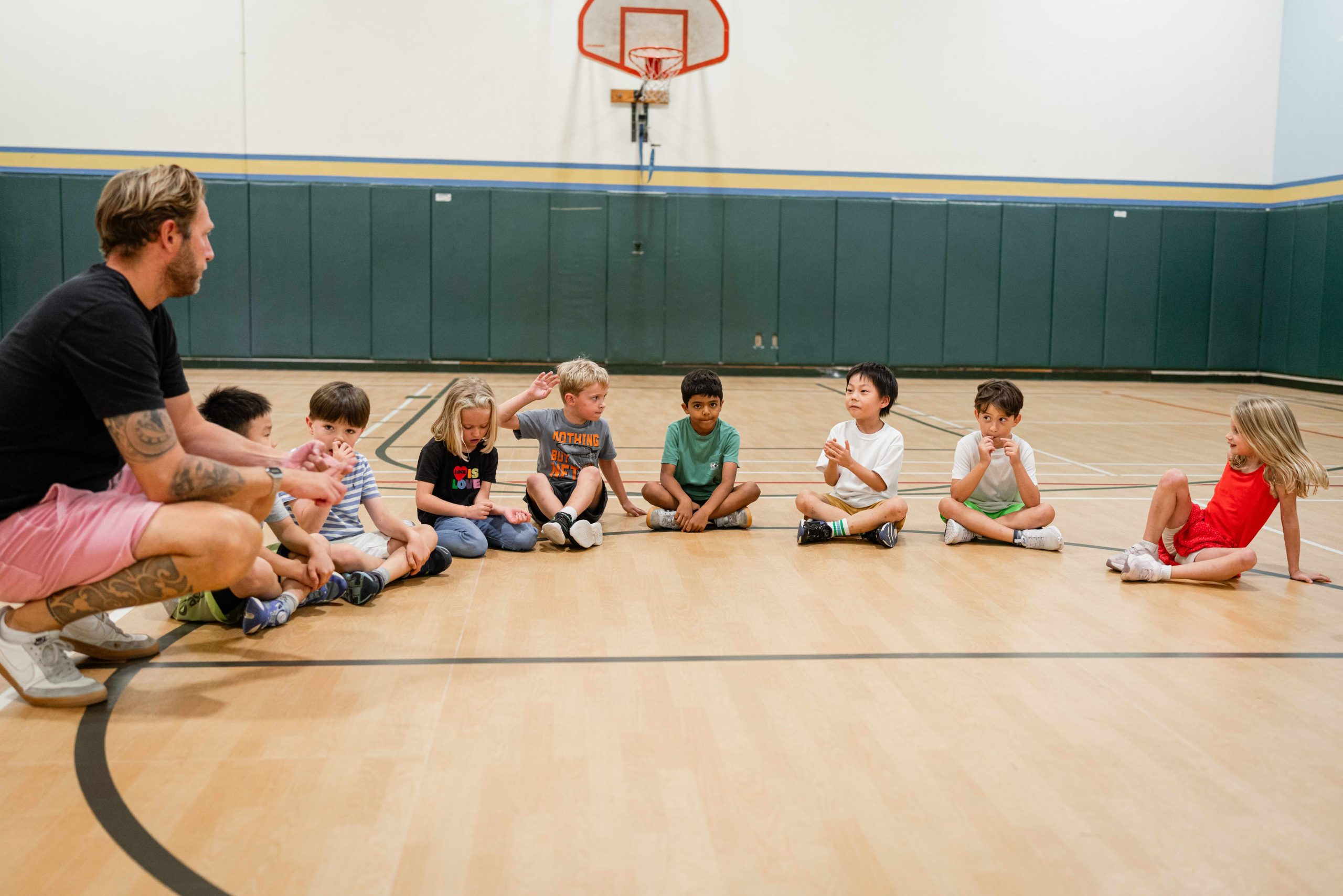
Twice a week, students have a physical education class emphasizing the development of fitness, individual growth in skills, and teamwork. Students are introduced to games, and eventually team sports, through specific skill instruction and a variety of activities that encourage participation and success. Life-long physical fitness is promoted throughout the study of healthy habits and the benefits of physical activity.
Computer Science
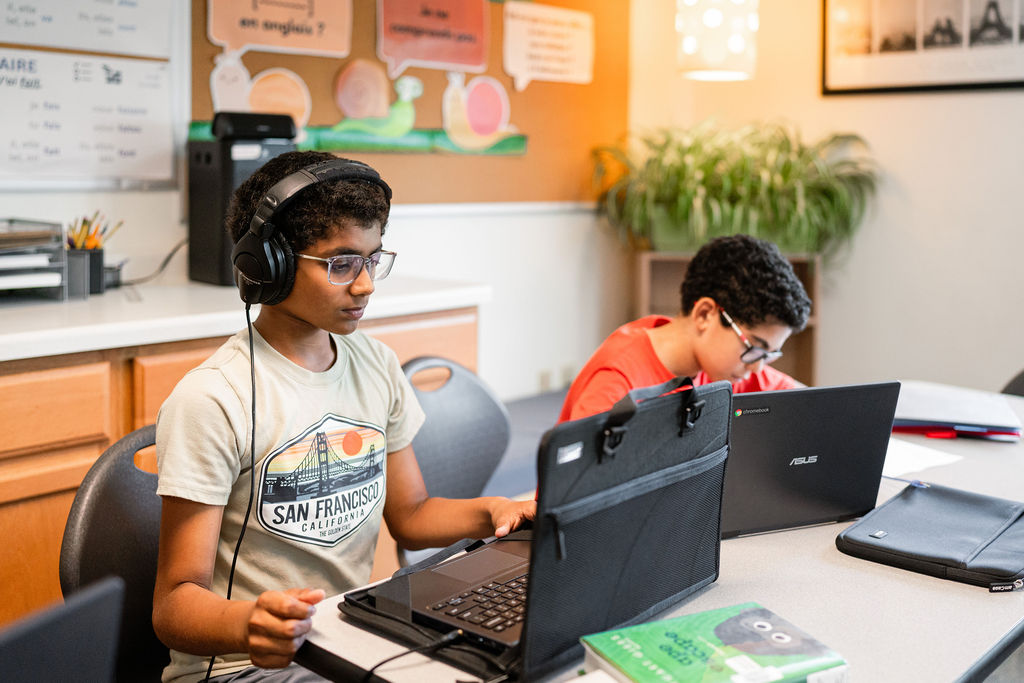
Students develop their computer skills through a balance of independent exploration and collaborative projects. Beginning with basic computer skills, students build the logic, math, and problem-solving skills needed to take on more challenging projects that connect to learning in other subjects. As students get older, they explore programming and web design using languages such as Logo, Java, HTML5, CSS, and JavaScript. Internet safety and digital citizenship are woven throughout the curriculum at every level.
SEL
Through Social-Emotional Learning (SEL), EAGLE’s two school counselors provide proactive, comprehensive, and developmentally appropriate support to address students’ academic goals and their personal social needs. Students in first and second grade have weekly sessions; older students participate in monthly lessons throughout the year. Our SEL program helps students develop a strong sense of agency. They learn to advocate for themselves, manage their time, and set meaningful academic goals.
Lessons cover both academic success skills and social-emotional topics.
QRT
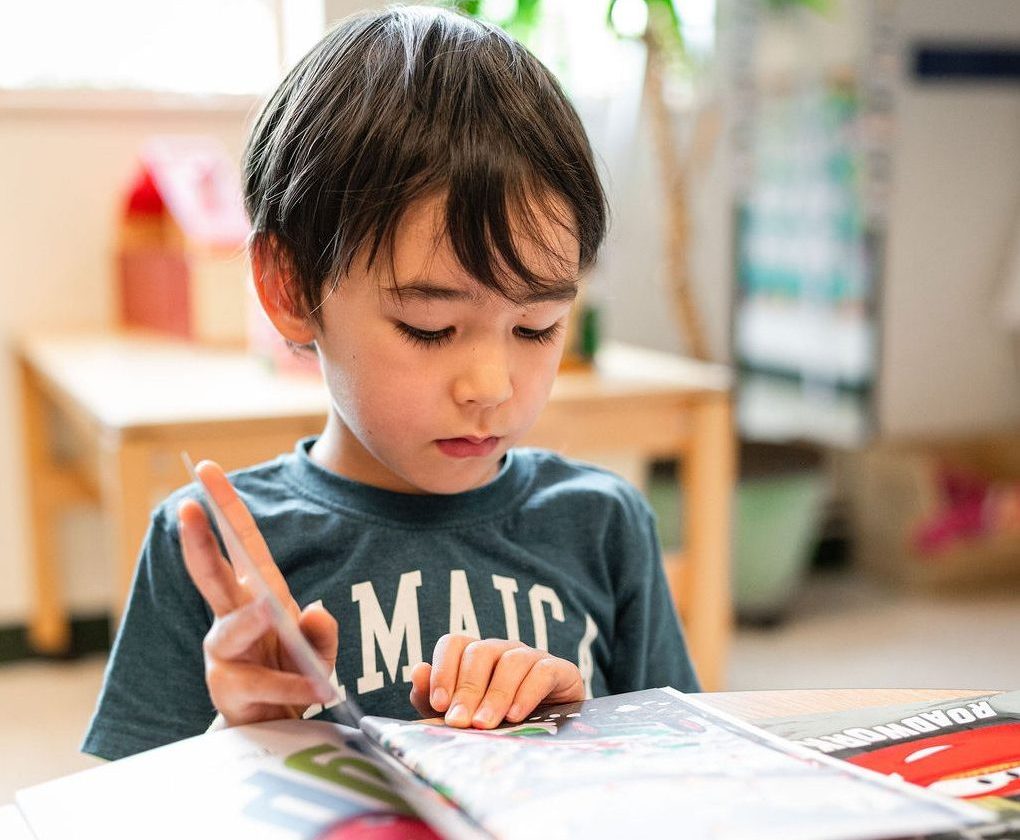
Quiet Reading Time (QRT) begins in first grade as a way to build life-long executive functioning skills. In the early grades, students learn to work or read quietly in a shared space. As the students grow and mature, they are taught the explicit skill of using a planner to organize their time and tasks. QRT offers a chance for them to hone these skills in a teacher-supported environment.
TGIF
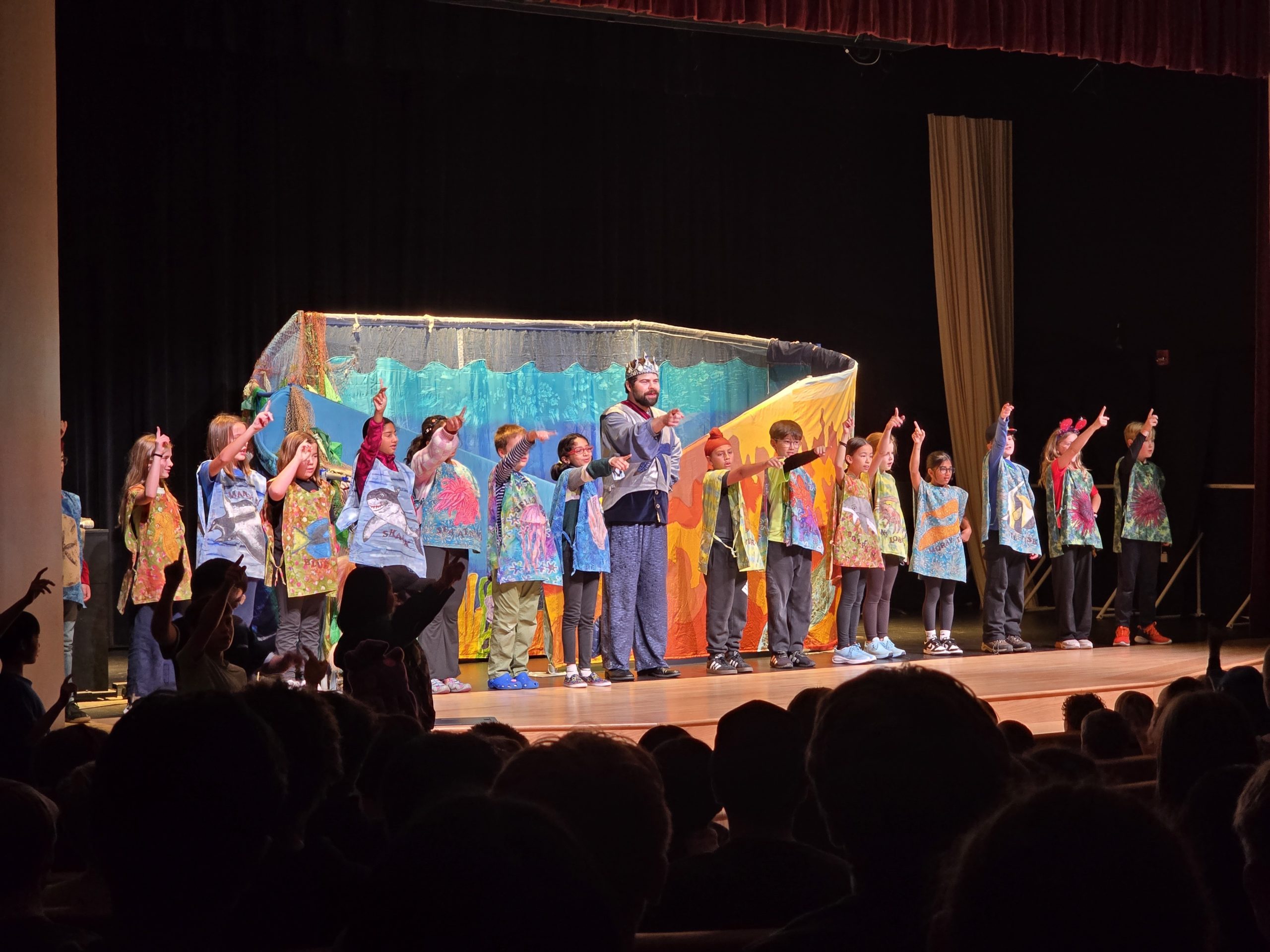
TGIF (Thank Goodness It’s Friday!) is a long-held EAGLE tradition that offers special programming every Friday afternoon. TGIF is a way for students, faculty, and parents to build community and celebrate another successful week of learning. Past TGIF programming has included the Wisconsin Chamber Orchestra, Opera for the Young, the school Talent Show, Geography Bee, Spelling Bee, National History Day, Market Day, Team Trivia, student performances, and more.
Library
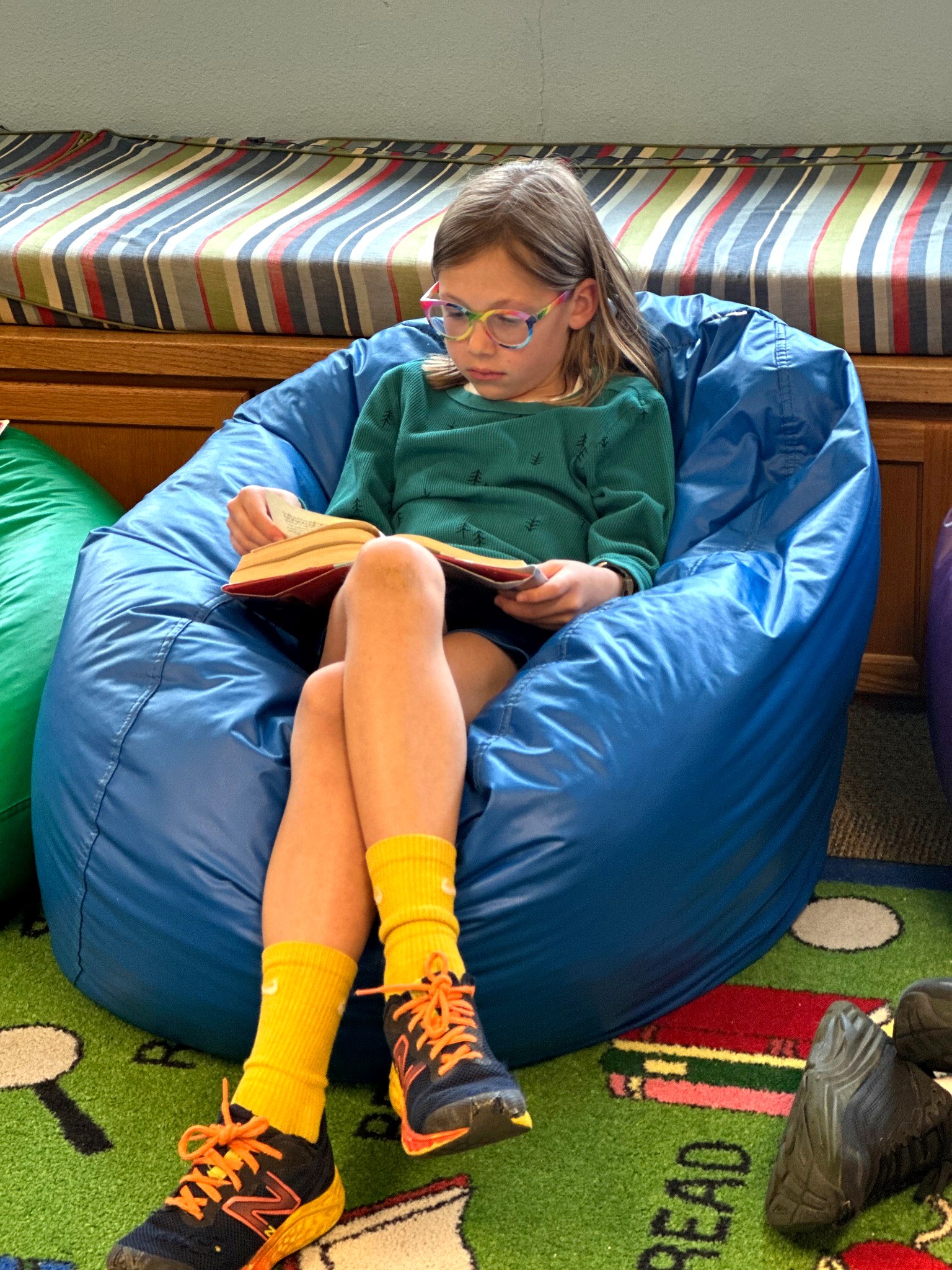
The school library serves the EAGLE community by providing quality print literature during the school year and electronic literature year round. The library functions as a crossroads of interdisciplinary curricular activities. The overarching mission of the library is to model and inspire both curiosity and the joy of learning through diverse narratives and informational materials.